

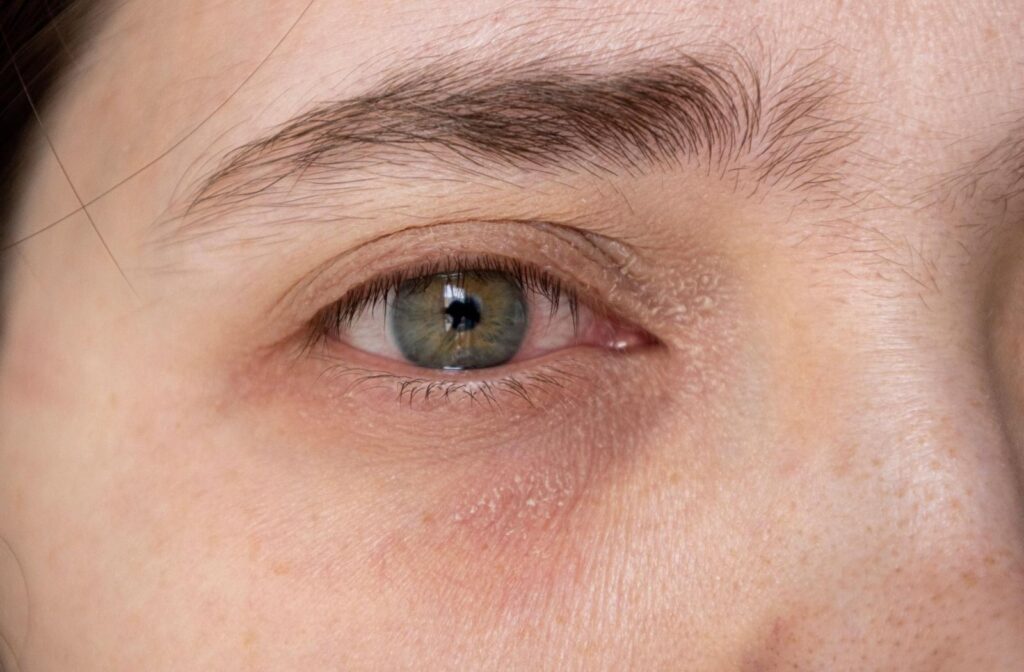
If you have dry eye, you may be curious whether it could affect other aspects of your eye health. Our team at Total Vision Culver City is here to explain how dry eye works, what some of the potential complications can be, and how to support your eyes when they need extra moisture.
A healthy tear film helps protect the surface of your eyes. When tear production or tear quality is reduced, that protective barrier can become less effective, which may increase the risk of irritation and, in some cases, make the eyes more susceptible to infection.
Key Takeaways
- Tears are important for washing away dirt and protecting your eyes from bacteria.
- A lack of moisture can leave the eye’s surface exposed to tiny scratches.
- Poor tear quality can contribute to discomfort and redness.
- Treatment like eye drops or in-office therapies can help maintain a protective barrier.
The Link Between Dry Eye and Eye Infections
How Tears Protect Your Vision
Every time you blink, a fresh layer of tears spreads across your eye. It’s tempting to think that these tears are just helpful for your comfort, but they actually contain natural antibodies that help wash away dirt, small debris, and everyday bacteria, lowering the risk of infection.
What Happens When Eyes Stay Dry
When you have dry eye, you have less of these natural tears to protect against outside forces. Without a healthy tear film, the eye’s natural defenses may be less effective, which can increase susceptibility to irritation and may raise the risk of certain eye infections.
Primary Reasons for Dry Eye Issues
Decreased Tear Production
There are a few reasons for dry eye. A common one is the natural aging process, as getting older can slow down the amount of tear fluid your body produces. Certain medications for allergies or high blood pressure can also reduce your overall moisture levels.
Hormone changes can also play a big role in how well your tear glands function. A drop in certain hormones can reduce fluid production, leaving your eyes feeling dry and irritated on a daily basis.
Increased Tear Evaporation
Sometimes your eyes make enough tears, but they dry up too quickly. Your meibomian glands are the oil-producing glands that line the edges of your eyelashes, and if they get blocked, your tears can evaporate too fast.
When we stare at phones and computer screens for a long time, we tend to blink less, which can contribute to digital eye strain. Wind, smoke, and dry indoor air can also strip away even more moisture.

Common Signs of Dry Eye
Signs and Symptoms
Though everyone experiences dry eye differently, there are a few common signs. You may have dry eye if you consistently notice:
- A stinging or burning sensation
- A scratchy feeling that makes your eye hurt when you blink
- Excessively watery eyes, which can be your body’s response to the irritation
- Blurry vision that clears when you blink
Eye Infections Associated with Dry Eye
Pink Eye and Eyelid Issues
A lack of tears can make it easier for bacteria to stick around. Pink eye, also known as conjunctivitis, can create noticeable inflammation, bright redness, and green discharge (most common with bacterial conjunctivitis).
Blepharitis is a common eyelid condition that causes inflammation along the eyelid margins. It can be associated with bacteria, oil gland dysfunction, or other underlying factors, and may lead to swollen, irritated, or scratchy eyelids.
Surface Level Complications
Keratitis is inflammation of the cornea (the clear outer layer of the eye). It can occur for several reasons, including infection, significant dryness, or contact lens-related complications. It can cause pain and blurred vision and is considered an eye emergency because it can lead to permanent damage if left untreated.
Simple Steps to Protect Your Eyesight
Daily Habits for Better Moisture
You can take simple actions at home to keep your eyes comfortable. Use the 20-20-20 rule during screen time to rest your vision and give your eyes a break from the near-focus work: Every 20 minutes, look at something 20 feet away for 20 seconds.
You can also use preservative-free lubricating eye drops to provide some quick moisture throughout the day.
How an Eye Doctor Can Help
Sometimes, dry eye can be managed with good home care and eye drops. Other times, dry eye can be persistent and benefit from professional care. If your symptoms don’t go away, even after you’ve tried managing them at home, our team can recommend dry eye therapy tailored to your specific needs.
Schedule Your Next Visit
If you’re concerned with dry eye’s impact on your visual health, we’re here to help. At Total Vision Culver City, our team is dedicated to your entire family’s visual health. Don’t manage dry eye alone: Book your eye exam today.